Get Backflow Testing in Seattle, WA
Backflow testing services for Seattle property owners identify and prevent water contamination issues, ensuring safe drinking water through inspections and repairs by experienced local contractors.
Backflow testing is an essential service for property owners in Seattle, WA who want to ensure their water systems remain safe and compliant. Proper testing helps prevent the risk of contaminated water flowing back into the main supply, which can pose health hazards and lead to costly repairs. Whether managing a residential property, commercial building, or public facility, understanding your backflow prevention needs is a practical step in maintaining a reliable water supply and avoiding potential issues down the line.
For those planning property upgrades or routine maintenance, exploring local contractors who specialize in backflow testing can provide valuable insights into available options. Comparing different service providers in the Seattle area allows property owners to find experienced professionals equipped to handle the specific requirements of their properties. Keep reading to learn more about how local experts can assist with your backflow testing needs.
- Backflow Testing - needed when a property owner in Seattle’s Queen Anne neighborhood suspects cross-connections in their plumbing system.
- Backflow Prevention - required for commercial buildings in Tacoma to ensure drinking water remains free of contaminants.
- Backflow Device Inspection - necessary after plumbing system upgrades or repairs in Portland homes to maintain safety standards.
- Annual Backflow Certification - essential for restaurants in Bellevue to comply with local health regulations.
- Backflow System Maintenance - recommended for multi-family complexes in Spokane to prevent potential water contamination issues.
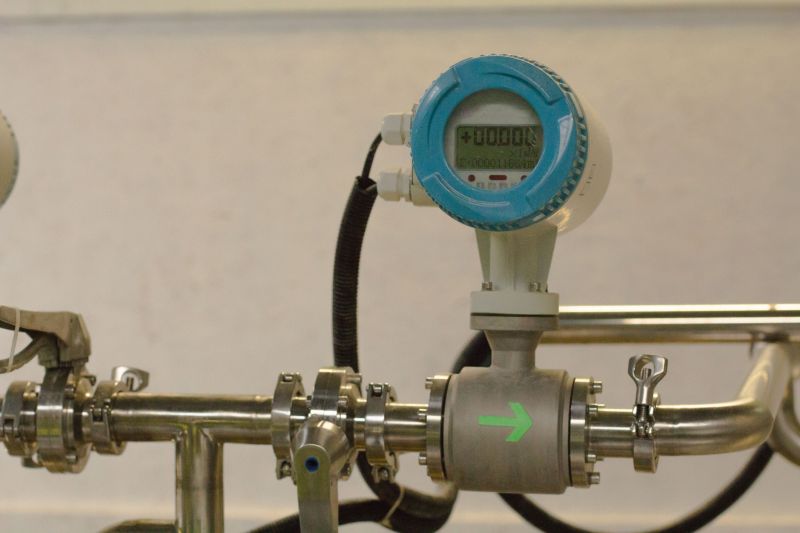
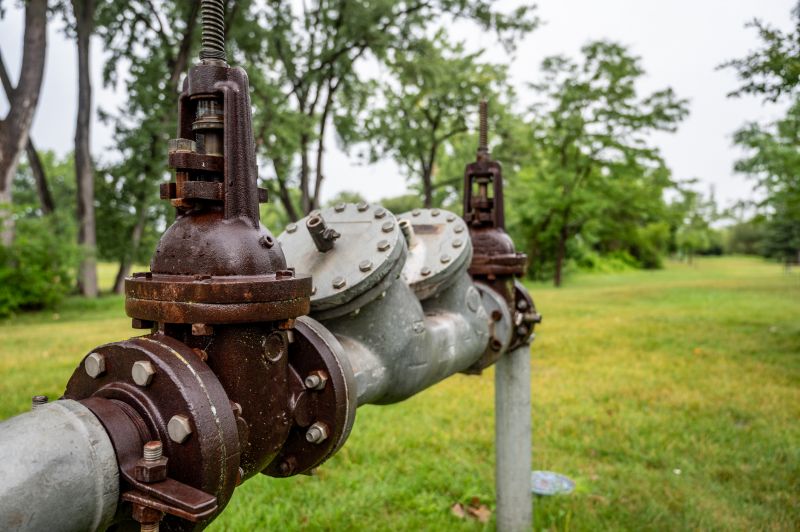
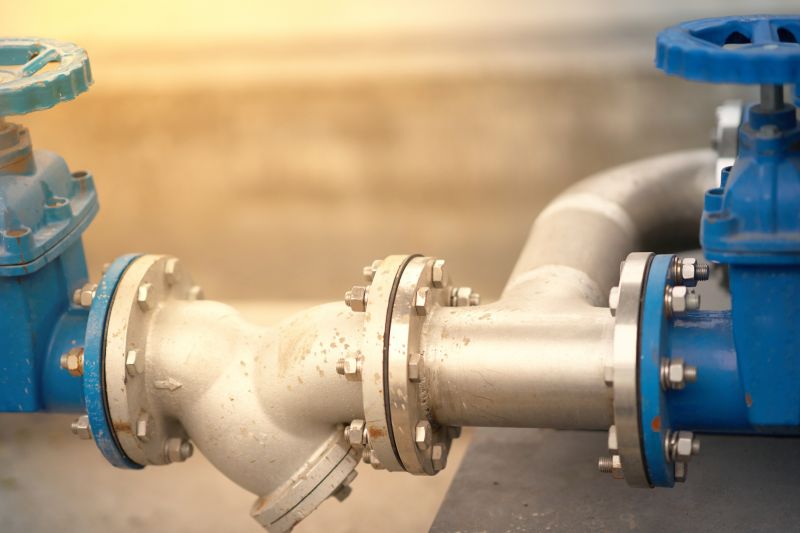
Backflow testing services involve inspecting a property’s plumbing system to ensure that clean drinking water remains separate from any contaminated water sources. This process typically includes checking backflow prevention devices-specialized valves installed in plumbing lines-to verify they are functioning properly. These devices are designed to prevent the reverse flow of water, which can occur due to pressure changes or system issues. Regular testing helps identify potential problems early, ensuring that the water supply stays safe and free from pollutants that could pose health risks.
One of the main problems backflow testing helps address is the potential contamination of a home’s water supply. If backflow prevention devices fail or become damaged, contaminated water from irrigation systems, fire protection systems, or other sources can flow back into the main water line. This can introduce bacteria, chemicals, or other pollutants into the drinking water, creating health hazards for residents. Routine testing and maintenance of backflow prevention devices are essential for property owners who want to prevent these issues before they develop into costly or dangerous problems.
Properties that typically require backflow testing include residential homes, especially those with private wells or irrigation systems, as well as commercial buildings, restaurants, and industrial facilities. Multi-family complexes and properties with fire sprinkler systems also often need regular testing to comply with local regulations and ensure water safety. In areas like Seattle and nearby communities, property owners are encouraged to have their backflow prevention devices checked periodically to maintain water quality and prevent potential contamination incidents. Regular testing provides peace of mind and helps property owners meet local health and safety standards.
When considering backflow testing services, it’s important to work with experienced local contractors who understand the specific requirements for different types of properties. These professionals can perform thorough inspections, identify any issues with backflow prevention devices, and recommend necessary repairs or replacements. Whether for a single-family home or a large commercial property, connecting with qualified service providers ensures that the plumbing system remains compliant and that the water supply stays safe for everyday use. Regular testing is a practical step toward maintaining a healthy, reliable water system for any property.
The overview below groups typical Backflow Testing projects into broad ranges so you can see how smaller, mid-sized, and larger jobs often compare in Seattle, WA.
In many markets, a large share of routine jobs stays in the lower and middle ranges, while only a smaller percentage of projects moves into the highest bands when the work is more complex or site conditions are harder than average.
Smaller Repairs - Basic backflow testing for routine checks typically costs between $150 and $300. Many local contractors handle these standard inspections as part of regular maintenance. Prices can vary based on the property size and system complexity.
Mid-Range Services - For more detailed testing or minor repairs, costs generally range from $300 to $600. These projects are common for residential properties needing periodic backflow device testing and minor adjustments.
Full System Replacement - Replacing an entire backflow prevention device can cost between $1,000 and $3,000. Larger, more complex systems or those requiring extensive work tend to push costs into this higher range.
Complex or Emergency Jobs - Larger, more involved projects, such as system upgrades or emergency repairs, can reach $5,000 or more. These are less frequent but may be necessary for older or heavily used systems requiring significant work.
Actual totals will depend on details like access to the work area, the scope of the project, and the materials selected, so use these as general starting points rather than exact figures.
Water Meter Installation - involves planning and precise testing of water systems, similar to backflow testing procedures to ensure proper function and safety.
Irrigation System Installation - requires understanding of water flow and pressure, which aligns with the skills used in backflow prevention and testing.
Fire Sprinkler System Setup - involves working with complex plumbing and water supply systems, similar to those inspected during backflow testing.
Plumbing System Inspection - includes assessing water lines and ensuring proper flow, a task related to backflow device testing and maintenance.
Water Line Repair and Replacement - demands knowledge of water distribution systems, paralleling the planning and testing involved in backflow prevention.
Leak Detection Services - requires locating and diagnosing water system issues, which complements the skills needed for backflow testing and system integrity checks.
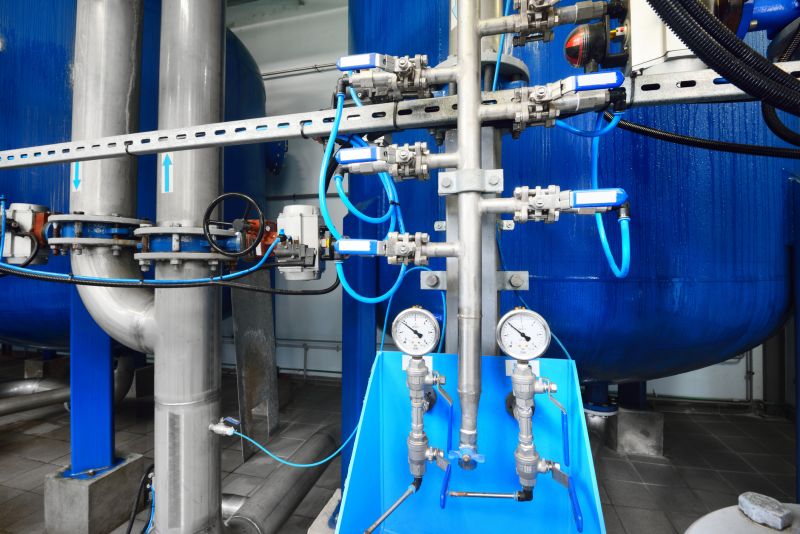
When evaluating backflow testing service providers in the Seattle area, it’s important to consider their experience with similar projects. Homeowners should look for contractors who have a proven track record of handling backflow prevention device testing in residential settings comparable to their own. An experienced local contractor will be familiar with the specific requirements and common challenges in the region, helping to ensure the testing is performed accurately and efficiently. Gathering information about the types of properties they’ve serviced can provide insight into their familiarity with different systems and configurations.
Clear, written expectations are essential when choosing a backflow testing professional. Homeowners should seek service providers who can offer detailed explanations of what the testing process involves, what to expect during the appointment, and any necessary follow-up actions. Having this information in writing helps prevent misunderstandings and ensures that everyone is aligned on the scope of work. It also provides a reference point should questions or concerns arise later, fostering a transparent and professional relationship.
Reputable references and strong communication are key indicators of a trustworthy service provider. Homeowners are encouraged to ask potential contractors for references from previous clients, particularly those who had similar testing needs. Good communication skills-such as responsiveness, clarity, and willingness to answer questions-are also signs that a contractor values customer service and will keep clients informed throughout the process. Remember, this site connects homeowners with local options for backflow testing; it does not perform the work itself, but helps identify qualified service providers who can handle the job professionally.
Property owners in Seattle, WA use Backflow Testing services for practical projects around their homes and businesses. This guide focuses on everyday jobs and straightforward project options.
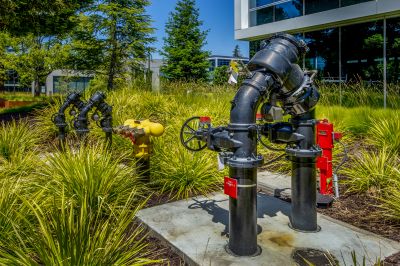
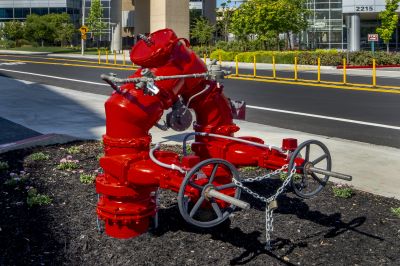
Backflow testing services are often needed when property owners in Seattle want to ensure their drinking water remains safe and uncontaminated. This is especially important for homes and businesses with irrigation systems, fire suppression systems, or other setups that could potentially cause backflow. Local contractors can perform these tests to verify that backflow prevention devices are functioning properly, helping property owners maintain water quality and comply with local regulations.
In addition, property owners may seek backflow testing after renovations, plumbing upgrades, or if they notice changes in water pressure or taste. Regular testing can help identify issues early, preventing costly repairs or water contamination. Whether managing a residential property or commercial space, connecting with experienced service providers ensures that backflow prevention systems are properly maintained and tested according to local standards.
What is backflow testing? Backflow testing is a process to check whether the backflow prevention devices in a plumbing system are functioning properly to prevent contaminated water from flowing back into the main water supply.
Why is backflow testing important? Regular backflow testing helps ensure the safety of drinking water by confirming that backflow preventers are working correctly and protecting the water supply from potential contamination.
How do I find local contractors for backflow testing? You can contact experienced service providers in your area who specialize in backflow testing and inspection services to handle the job professionally.
What should I expect during a backflow test? During a backflow test, a technician will inspect and test the backflow prevention device to verify it is operating properly, often involving pressure checks and device assessments.
Can backflow testing be scheduled alongside other plumbing services? Yes, many local service providers offer backflow testing as part of comprehensive plumbing inspections or maintenance, depending on your needs.
Ensure water safety compliance - property owners can schedule backflow testing to meet local regulations and avoid potential penalties.
Protect household water supply - testing helps identify potential contamination issues before they affect daily water use.
Maintain plumbing system integrity - regular backflow testing can detect problems early, preventing costly repairs or damage.
Prepare for inspections and permits - property owners can use testing services to ensure their systems are ready for official inspections.
If you are thinking about Backflow Testing for a property in Seattle, WA, this guide is meant to help you understand the work, the typical project types, and how different options might fit your plans.
When you are ready, you can use the quote form on this page to share a few details about your project. From there, local pros can review the basics and respond with options that match what you have in mind.